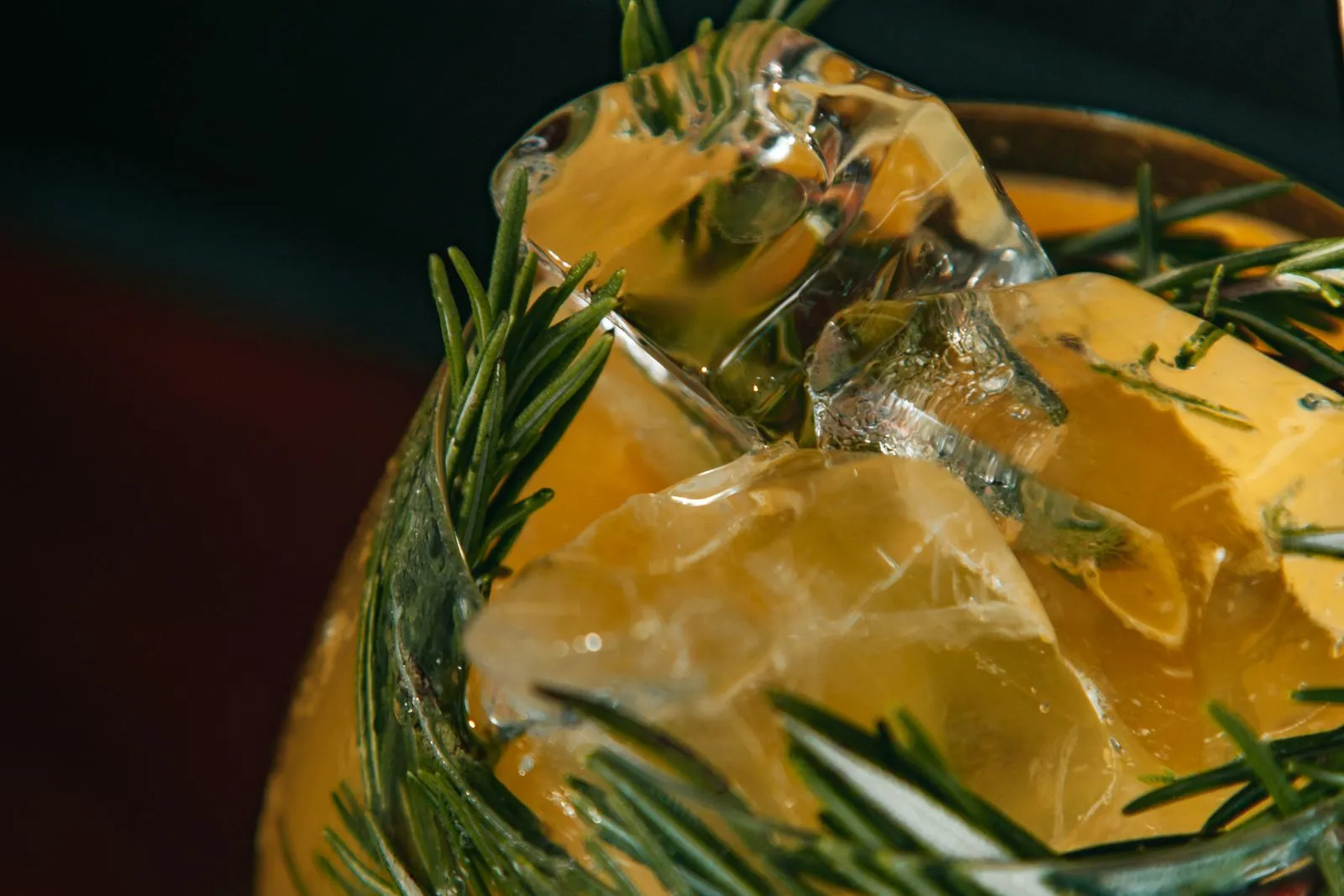
A cocktail menu can change with the produce available at the time of year. Citrus, herbs, stone fruit, and other fresh ingredients each bring distinct flavors, aromas, and textures to a drink. In Scottsdale, the desert climate and regional growing seasons help guide those choices. Understanding how ingredients shape a menu makes it easier to find a drink that suits your taste—and to appreciate why a favorite cocktail may look or taste a little different later in the year.
Fresh Ingredients Set the Flavor
Fresh fruit can add acidity, sweetness, or body that bottled mixers may not provide. A squeeze of ripe citrus brightens a spirit, while muddled berries or stone fruit can bring a softer, fuller flavor. Bartenders balance those ingredients with the base spirit and other components so the fruit supports the drink instead of overwhelming it.
Herbs also affect a cocktail beyond its taste. Mint, basil, or rosemary can add a fresh aroma, especially when gently pressed or used as a garnish. Because herbs vary in strength and condition, a bartender may adjust the amount from batch to batch. That small change helps keep a drink balanced as ingredients shift through the season.
Local Seasons Guide the Menu
Seasonal menus follow what is fresh and practical to source, rather than relying on the same produce year-round. In and around Scottsdale, local availability can influence which citrus, melons, herbs, or other produce make their way into a cocktail. The exact selection depends on growing conditions and suppliers, so a menu may change as ingredients become available or taper off.
A rotating menu gives bartenders room to build drinks around what tastes good now. One season might favor a bright, tart profile; another may lend itself to richer fruit or warming spices. Ask what is currently fresh if you want to choose a drink by flavor. Staff can explain the ingredients and suggest a similar option if a particular item is no longer available.
Garnish Adds Aroma and Character
A garnish is more than decoration. A citrus peel releases aromatic oils when twisted over a glass, while a fresh herb sprig can bring its scent forward with each sip. Fruit slices and edible ingredients can also signal the drink’s main flavors. The best garnish complements the recipe and stays useful rather than distracting from the cocktail.
Seasonal garnishes may vary even when a drink’s core recipe stays the same. A bartender might use a different citrus variety or herb based on freshness and supply. If you have an allergy or prefer a drink without a specific garnish, mention it when ordering. The bar can tell you what is essential to the recipe and what can be left off.
Expect Thoughtful Menu Changes
When an ingredient is out of season, its flavor and quality may be less consistent or it may be harder to source. A bar can respond by replacing it, adjusting the recipe, or pausing the drink. These changes help preserve balance and make the most of ingredients available at their best. They also mean that a cocktail you enjoyed on a previous visit may return in a new form.
At Desert Pour, ask the bartender about current ingredients, flavor notes, and substitutions before ordering. If you know you like crisp, citrus-forward drinks or softer, fruit-led flavors, share that preference. A short conversation can point you toward a seasonal cocktail that fits your taste, even when the menu has changed.
Seasonal ingredients shape more than a cocktail’s recipe: they influence its aroma, garnish, balance, and place on the menu. In Scottsdale, fresh availability helps determine what bartenders can feature at a given time. Check the current menu and ask about its ingredients to find a drink you’ll enjoy.